
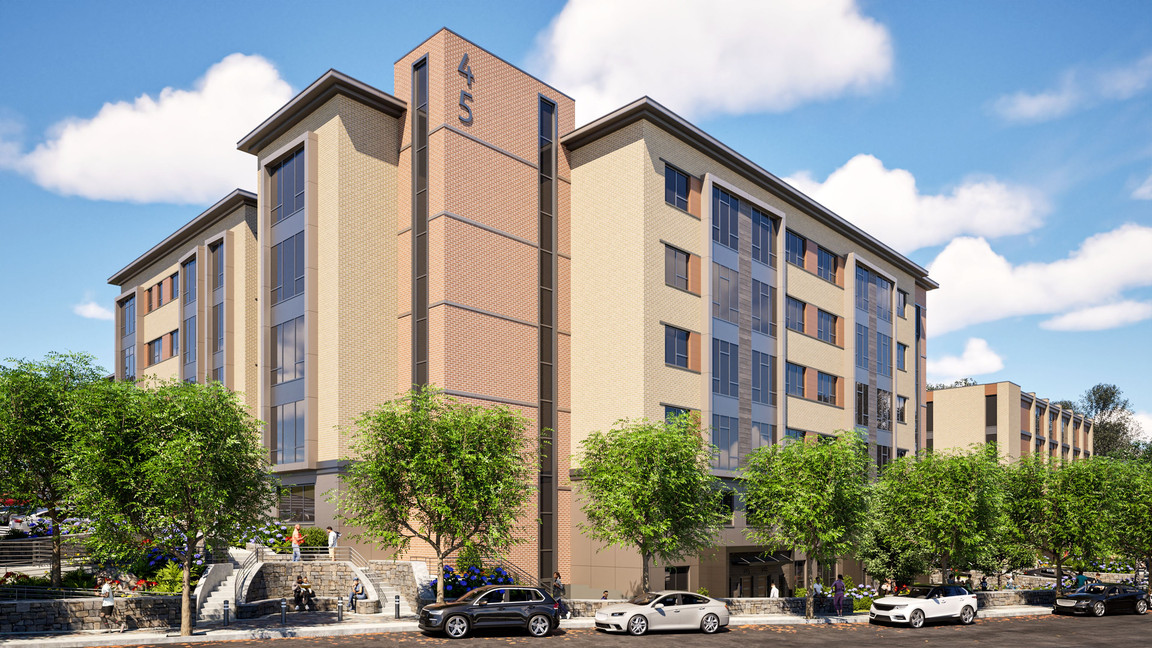
45 Townsend Street
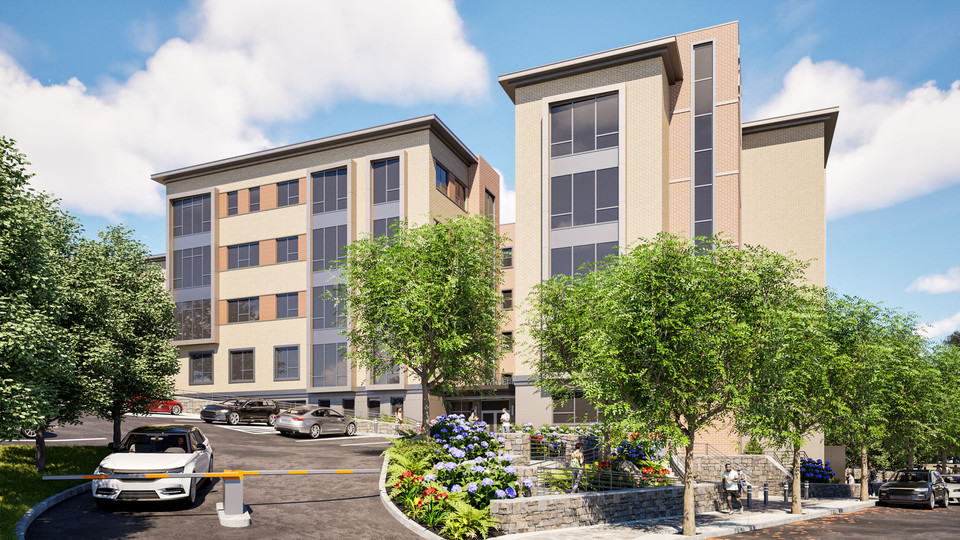
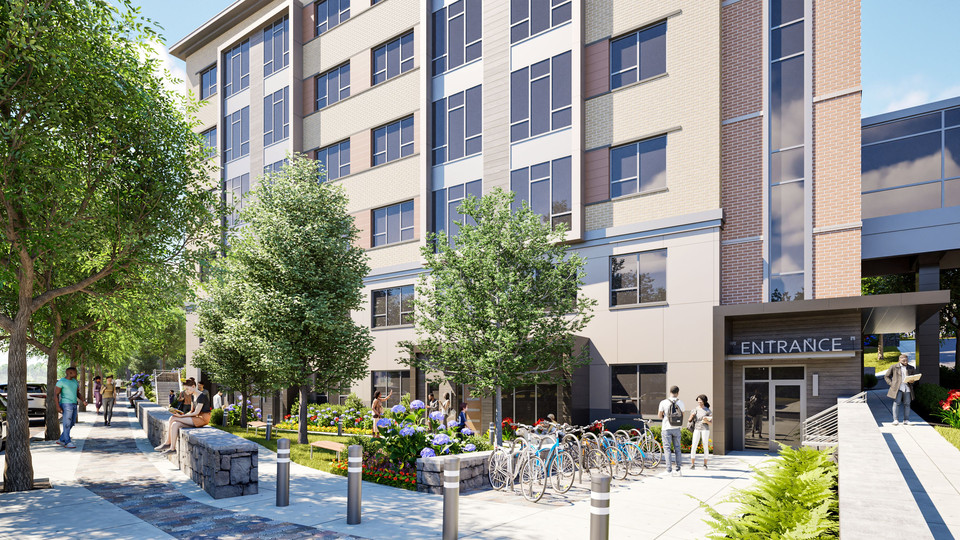
A 4.96-acre site vacant site pending future development, formally owned and occupied by Radius Hospital and purchased by KIC in September 2015.
1. Retention of Embodied Carbon
In new construction, a massive amount of energy is expended to extract, manufacture, and transport materials like concrete, steel, and glass. This is known as embodied carbon. By reusing an existing shell, you bypass the carbon-heavy process of demolition and new structural construction. It is estimated that it can take between 10 to 80 years for a new, energy-efficient building to overcome the carbon debt created during its construction.
2. Waste Reduction
Demolition and construction debris account for a significant portion of landfill waste globally. Adaptive reuse keeps high-volume materials—such as brick, stone, and heavy timber—out of the waste stream.
Divert Waste: Millions of tons of debris are avoided by maintaining the "bones" of a structure.
Circular Economy: It promotes the idea of buildings as "material banks" where resources are kept in use for as long as possible.
3. Energy Performance Upgrades
While older buildings are often perceived as "leaky" or inefficient, adaptive reuse provides an opportunity to perform deep energy retrofits.
Thermal Mass: Many older buildings feature thick masonry walls that provide excellent thermal mass, naturally regulating internal temperatures better than thin-walled modern glass towers.
Modern Systems: During the transition, developers can install high-efficiency HVAC, LED lighting, and smart building sensors, marrying the durability of old materials with the efficiency of modern tech
Project Gallery